
In-House Quality Control in Plastic Injection Molding: A Buyer’s Guide
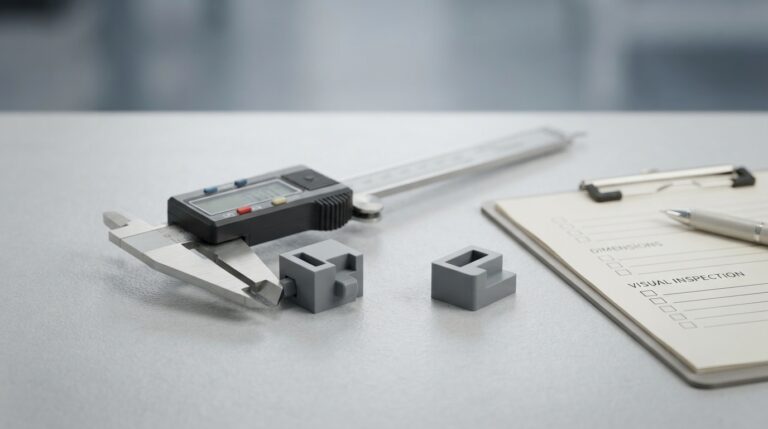
Choosing an injection molder is a quality decision before it is a price decision. When a supplier keeps quality control in plastic injection molding under
DISCOVER OUR NEWLY RELEASED COLLECTIBLE DISPLAY CASES! SHOP NOW
Shop by brand & type
UV-filtering display cases that guard collectibles, documents, and retail goods against sun damage and discoloration.
Browse UV-protected cases →Display cases packaged for retail shelves — clamshell, boxed, and custom-printed options ready to scan and sell.
Browse retail-ready cases →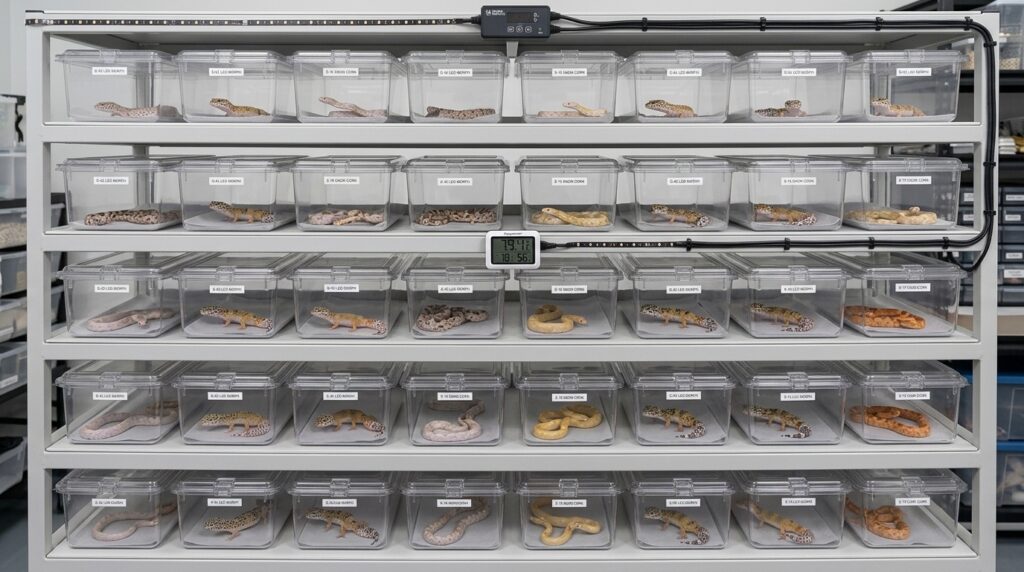
Reptile breeding containers do one job well: they hold an animal safely at a specific stage of life, from egg incubation through hatchling housing to show and shipping. Choosing the right one is less about the animal’s adult size and more about where it is right now. This guide maps container type and size to each breeding stage, then shows where clear, food-grade bins earn their place for breeders and resellers.
The table below maps the common container type, size, ventilation approach, and clarity benefit to each breeding stage. Sizes use ball pythons as the worked example, because that is the species most sources document by weight. Treat other species as directional.
| Stage | Container type | Typical size | Ventilation | Why clear and food-grade | Source |
|---|---|---|---|---|---|
| Egg incubation | Deli cup or small lidded shoebox with moisture-retentive substrate; eggs half-buried or suspended | Deli cups 6 to 16 oz; shoebox for larger clutches; large enough for the clutch | Holes drilled in lid or sides; balance airflow against humidity | See eggs without opening; inert plastic resists mold and repeated washing | Herpetological guidance |
| Hatchling | Small secure tub or clear bin; minimal floor space so the animal feels secure | ~5 to 12 qt (ball python hatchling up to ~500g) | Vented lid or punched holes | Watch first feeds without disturbing the animal | Industry-standard sizing |
| Grow-out | Larger tub or bin with more floor space | ~29 to 36 qt (ball python 500 to 1200g) | Vented | Monitor condition and shedding at a glance | Industry-standard sizing |
| Adult / holding | Largest tub sizes | ~39 to 50 qt and up (adult ball python to 2000g+) | Vented | Clarity for routine checks | Industry-standard sizing |
| Shipping / show | Deli cup with secure lid | 6 to 24 oz deli cups, 4.5″ diameter | Punched (ventilated) | Buyer sees the animal; economical for shows and shipping | Industry-standard deli cups |
Deliberately left out: per-species humidity and temperature targets and egg-count-per-cup minimums. Those depend on your species and setup and should come from a species-specific care source, not a container guide.
Reptile breeding containers are the cups, bins, and tubs used to incubate eggs and house reptiles through each stage of a breeding program. They differ by the job they do, not just by size.
The three working types break down like this:
Two choices cut across all three types: clear versus opaque, and punched versus unpunched. Clear walls let you check an animal or clutch without opening the lid, while opaque bins feel more covered for skittish species. Round deli cups often ship pre-punched, whereas clear square bins arrive solid for you to vent to your species and humidity.
Here is what fits at each stage, and where Pioneer Plastics’ clear bins line up.
For egg incubation, use a deli cup or small lidded box with holes drilled in the lid or sides, filled with a moisture-retentive substrate like vermiculite, perlite, or sphagnum moss. Deli cups suit single clutches, while a small shoebox-style box holds larger ones. The container only needs to be large enough for the clutch with room for airflow.
Hatchlings do best in a small, secure bin with minimal floor space, so the animal feels covered rather than exposed. For ball python hatchlings, that is roughly a 5 to 12 quart bin. Small geckos and small snakes need less.
Pioneer Plastics’ reptile line starts at a 24 ounce cup (the 028C) for isolation, quarantine, or holding a single animal, and runs up to two larger clear bins that fit this stage: the 195C and the 395C, both listed under reptile breeding containers. The 395C is the largest in the line, listed at 208 ounces (about 6.5 quarts). These are shallow clear square bins, so they suit hatchling geckos, small snakes, isolation, and quarantine rather than long adult snakes. Clarity lets you confirm a first feed without opening the lid.
Grow-out and adult snakes need more floor space than hatchling bins provide. For ball pythons, grow-out tubs run roughly 29 to 36 quarts, and adults move into 39 to 50 quart tubs and up.
These larger tubs sit outside Pioneer Plastics’ clear container line, which tops out at the 395C at about 6.5 quarts. Treat them as the next step up a growing snake needs, not a Pioneer Plastics product. Because custom or larger molded sizes only make sense at high annual volume, Pioneer Plastics does not make one-off large tubs for a single keeper.
For shipping and reptile-show display, deli cups with a secure lid are the standard: usually 6 to 24 ounces, punched for ventilation, and cheap enough to use in volume. The clear wall lets a buyer see the animal, and the small size keeps it secure in transit.
Clear, food-grade containers matter most once your animals stop being pets and start being inventory. For one or two animals no one else sees, a basic opaque bin is fine and costs less. For a breeder or reseller, the trade changes on three fronts:
Pioneer Plastics makes this kind of container: clear, food-grade polystyrene, molded in the USA and shipped by the case. Its clear plastic containers serve reptile keepers, and the same logic applies to invertebrate colonies, which we cover in the isopod enclosure guide. Keepers running mixed collections can standardize on one bin, since Pioneer Plastics lists the same 195C and 395C under its insect and isopod containers and tarantula and spider enclosures as well.
DIY storage bins and shoeboxes work for casual, low-visibility setups. Purpose-made clear containers win when consistency, clarity, and reuse start to matter. The honest split looks like this:
On cost, deli cups are inexpensive, especially in bulk, while larger clear bins cost more per unit. Buying by the case lowers the per-unit price versus buying singles, which is why breeders and shops order in volume.
A few container mistakes cause most of the avoidable losses in a breeding setup:
Sourcing at volume comes down to two things: consistency from one container to the next, and a lower per-unit cost. Both favor buying by the case from a manufacturer rather than piecing together singles.
Demand is trending toward larger collections. Among snake owners, 27% now keep three or more snakes, a 108% increase since 2018, and multi-reptile households are rising overall. More animals per keeper means more containers per keeper.
Pioneer Plastics is a veteran-owned and family-owned manufacturer in Dixon, Kentucky, under the same family ownership since 1986, ISO 9001:2015 certified, with over 40 years in the business. Producing clear, food-grade containers on US injection molding lines is what keeps one unit consistent with the next across seasons. Containers ship by the case, a distributor program supports shops and resellers, and single units are available through the company’s Amazon store for keepers who do not need bulk.
Most do. Airflow prevents the stale, humid conditions that cause mold on eggs and respiratory stress in animals. Round deli cups often come pre-punched, while clear square bins usually arrive solid, so you drill ventilation to match your species and substrate.
For a ball python hatchling, a bin of roughly 5 to 12 quarts is the common range, sized so the animal feels secure rather than exposed. Smaller geckos and snakes need less. Scale up as the animal grows, since a container sized to the adult is too open for a hatchling.
You can, and for a casual setup that no one else sees, a basic storage bin is a fine, low-cost choice. The trade-off is visibility and durability: opaque bins hide problems until you open them, and non-food-grade plastics are harder to clean and reuse. Once animals become inventory, purpose-made clear, food-grade containers usually pay off.
Breeders and shops typically buy by the case directly from a manufacturer for consistency and a lower per-unit cost. Pioneer Plastics sells clear containers by the case, runs a distributor program for resellers, and lists single units through its Amazon store for keepers who only need a few.
The strongest breeding setups start with the right container at each stage, then standardize on clear, food-grade bins that survive years of reuse. If you are stocking a breeding operation or a resale inventory, browse Pioneer Plastics’ clear containers and buy by the case to keep every unit consistent from season to season.
The information provided in this content is for general informational purposes only and should not be considered professional advice. It is advisable to consult with a qualified industry professional before taking any action based on this information. The team at Pioneer Plastics is here to assist you with any questions you may have.
Choosing an injection molder is a quality decision before it is a price decision. When a supplier keeps quality control in plastic injection molding under
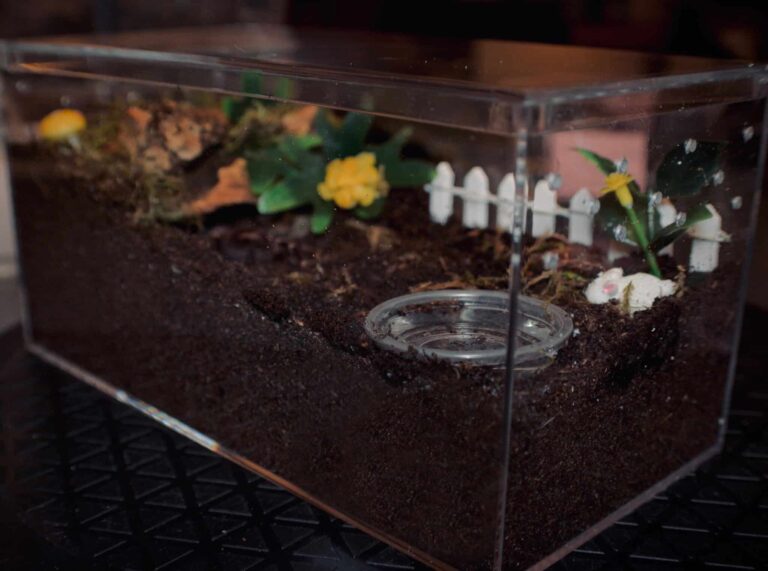
Getting the tarantula enclosure right is the single biggest husbandry decision you will make, and it is not the one most new keepers expect. The
Pioneer Plastics, renowned for their bespoke injection plastics molding solutions, has been serving a diverse clientele for over 40 years. With a mission to deliver