


Elevate Your Collection: Display Solutions for Enthusiasts
The art of collecting goes far beyond acquiring and safeguarding treasured items like diecast models. It’s about sharing your passion, telling a story, and transforming
DISCOVER OUR NEWLY RELEASED COLLECTIBLE DISPLAY CASES! SHOP NOW
Shop by brand & type
UV-filtering display cases that guard collectibles, documents, and retail goods against sun damage and discoloration.
Browse UV-protected cases →Display cases packaged for retail shelves — clamshell, boxed, and custom-printed options ready to scan and sell.
Browse retail-ready cases →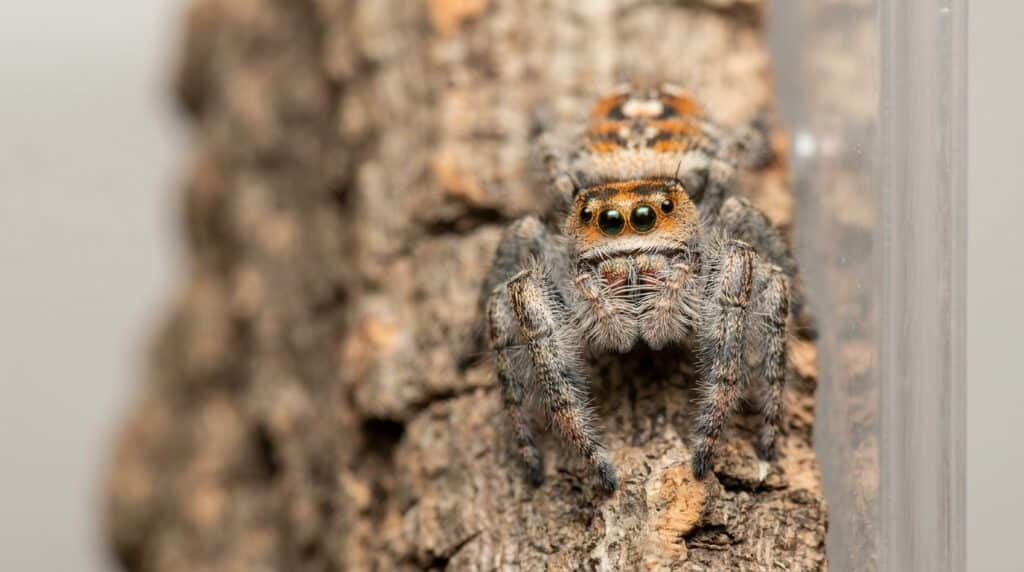
Get the enclosure wrong and you can stress a jumping spider, or lose it to escape or dehydration. Jumping spider enclosure size is the biggest housing decision you make, and the right dimensions change as the spider grows from a pinhead sling into a bold adult hunter. This guide maps the size, orientation, and ventilation each life stage needs, then shows honestly where clear plastic containers fit and where they do not. It is written for keepers setting up a single enclosure and for the breeders and hobby retailers who source them in bulk.
Use this chart to match enclosure size to your spider’s stage. Dimensions run width x depth x height, and the last column shows where Pioneer Plastics’ clear containers fit and where they honestly do not.
| Life Stage | Recommended Enclosure (W x D x H) | Where Pioneer Plastics Clear Containers Fit |
| Spiderling (i2 to i4) | 2 to 8 oz clear cup with pinhole ventilation. Vertical space matters even now. | Good fit. Small round clear containers in the 2 to 3 inch class work as budget sling cups. Add a few fine pinholes with a heated pin, since styrene is tough to drill. This gives basic airflow rather than true cross-ventilation. |
| Juvenile / sub-adult | About 4 x 4 x 6 in, vertical, cross-ventilated. Time to move off the deli cup. | Workable fit. The tall 048C container (3.75 x 3.75 x 8.25 in, food-grade polystyrene) makes a modifiable grow-out home. Cross-ventilation is not built in and styrene is difficult to cut, so plan on a rotary tool rather than a hobby knife, and service it from the side. |
| Adult (most Phidippus) | 5 x 5 x 8 to 8 x 8 x 12 in, vertical, front-opening preferred, cross-ventilated. | Partial fit, stated plainly. Pioneer Plastics’ clear line is lift-lid, not front-opening, and the 048C at 8.25 inches is the tallest container in the catalog, well short of the 12 inch end larger Phidippus can need. The 048C still suits grow-out, quarantine, or breeder rack stock at the smaller end of the adult range. |
| Terrestrial inverts (context) | Horizontal footprint with top ventilation. | Strong fit. The horizontal 083CAQUA micro-habitat (about 7.8 x 3.8 x 3.9 in, pre-drilled air hole) suits ground-dwellers, the case behind the tarantula guide. |
| Bulk / wholesale | Stackable, uniform, clear, US-made, in carton quantities. | Strongest fit. Clear food-grade polystyrene containers by the carton, made in the USA, with a distributor program for breeders and hobby retailers. |
An adult jumping spider needs at least about 5 x 5 x 8 inches and up to roughly 8 x 8 x 12 inches for larger Phidippus, always taller than it is wide, with cross-ventilation and, ideally, a front opening. Younger spiders need far less space, and sizing up in steps as the spider grows is the whole game.
A practical way to size an enclosure is by the spider’s diagonal leg span. Give it several times its leg span in each direction so it has room to stalk, leap, and anchor a retreat. Go too large, though, and a sling can struggle to find food, which is why sizing tracks life stage rather than jumping straight to the biggest box.
A spiderling does best in a small 2 to 8 ounce clear cup with pinhole ventilation. It needs to find prey quickly, so a cavernous enclosure works against it. A 32 ounce deli cup, roughly 4.5 x 4.5 x 5 inches, is fine as transitional housing for a late-stage sling or juvenile, but it is not a permanent adult home. Plan to move up at least once before adulthood.
A juvenile or sub-adult wants roughly 4 x 4 x 6 inches, vertical, with cross-ventilation, and this is the point to graduate it off the deli cup. A tall clear container makes a genuinely good grow-out home here. Pioneer Plastics molds a line of clear plastic containers in food-grade polystyrene, including the 048C at 3.75 x 3.75 x 8.25 inches, which gives the height an arboreal spider wants. Because Pioneer Plastics ships by the carton rather than the single unit, this is a grow-out container a breeder or hobby retailer stocks in quantity, not a one-off pet-store buy.
Because the 048C uses a split lift-lid rather than a front door, service it from the side. None of Pioneer Plastics’ containers ship with cross-ventilation, and styrene is difficult to cut cleanly, so drilling opposing faces takes a rotary tool and a steady hand, not a quick knife job. Keepers who would rather skip the modification can stick to a single ventilated lid and rely on more frequent air exchange at feeding and misting.
An adult needs 5 x 5 x 8 to 8 x 8 x 12 inches, vertical, ideally front-opening, with cross-ventilation. This is where a purpose-built arboreal enclosure earns its place.
Pioneer Plastics does not make a front-opening adult display enclosure, and it would be dishonest to pretend a lift-lid box is the same thing. Height is a second limit worth naming directly: the 048C, at 8.25 inches, is the tallest container Pioneer Plastics offers, and nothing in the catalog reaches the 12 inch mark larger Phidippus can grow into. For a permanent adult home, a front-opening arboreal enclosure is the hobby standard. The 048C still has a role for adults kept temporarily, such as during quarantine or in a breeder rack.
Yes. Jumping spiders are arboreal and climb, so height matters more than floor space. They anchor a silk retreat near the top of the enclosure and hunt by sight during the day rather than building a prey web.
They belong to Salticidae, the largest spider family, about 13% of all known spider species, and they carry some of the sharpest vision of any arthropod. As University of Cincinnati vision researcher Nathan Morehouse has said, jumping spiders “make their living on foot.”
That lifestyle is the basis for a tall, clear, well-ventilated enclosure. The spider needs vertical surfaces to climb, a high corner to retreat into, and clear walls it can see through and hunt against.
It also separates jumping spiders from terrestrial species. A ground-dwelling tarantula wants a horizontal footprint and deeper substrate, which is why our tarantula enclosure considerations guide points ground-dwellers toward a wide base rather than height.
A jumping spider enclosure needs cross-ventilation: airflow that enters on one side or level and exits from another, not a row of holes on a single wall. Stagnant air invites mold and respiratory stress, while a steady cross-breeze keeps the enclosure dry between mistings.
The other half of ventilation is escape-proofing. Every opening has to be smaller than the spider and its fruit fly feeders, or you will lose both. As a rule of thumb, sling ventilation holes should be roughly 1 mm or smaller [UNVERIFIED], fine enough that a spiderling and its flightless fruit flies cannot slip through. Err toward more small holes rather than fewer large ones.
Treat misting as a way to give the spider drinking droplets rather than to raise ambient humidity. If you convert a clear container into an enclosure, ventilation is the step that makes or breaks it. Pioneer Plastics’ containers do not come with cross-ventilation built in, and styrene resists a hobby knife, so drilling fine holes on two opposing faces calls for a rotary tool and patience, not a quick modification. Keep every hole under the size of your feeders, and budget more time for the job than it sounds like it needs.
For a settled adult jumping spider, a front opening is generally better than a top-opening lid. The difference comes down to where the spider lives in the enclosure and how it reacts to movement.
Pioneer Plastics’ clear containers, including the 048C and the aquarium-style micro-habitat line, use lift or split lids rather than magnetic front doors. That makes them well suited to the top-service jobs above, and it is the honest reason they are not a substitute for a purpose-built front-opening adult enclosure.
Yes, with modifications, for the right life stages. A clear plastic container makes a solid sling cup, grow-out home, or quarantine enclosure once you add cross-ventilation and a little vertical decor. It is not a drop-in replacement for a front-opening adult display.
Material matters more than most first-time keepers expect. Food-grade polystyrene is clear enough for the spider to see out and for you to watch it, it resists scratching better than soft plastics, and food-grade stock avoids the off-gassing worries of unknown recycled material. Pioneer Plastics molds its clear containers from food-grade polystyrene in Dixon, Kentucky, as a veteran-owned, family-owned manufacturer, so the material spec is knowable rather than a mystery from a marketplace listing.
To turn a clear container into a working enclosure, work through four steps:
Jumping spiders need light hydration, not a humid enclosure. The safest approach is a quick daily misting that gives the spider droplets to drink and then dries out, rather than a constantly damp setup.
A commonly cited target is roughly 50 to 70% humidity [UNVERIFIED], but the practical test is simpler: mist lightly once a day and make sure the droplets are gone within a couple of hours. If the enclosure stays wet, increase ventilation or mist less.
Room temperature suits most captive-bred jumping spiders, so if you are comfortable, the spider usually is. Avoid direct sun on a clear enclosure, which can overheat it quickly. A thin layer of coco fiber or a similar substrate holds a little moisture and gives feeders somewhere to go, and climbing decor gives the spider a high anchor point for its retreat.
About 80% of captive jumping spider health problems trace back to the enclosure environment rather than disease, and dehydration is the single largest cause, so ventilation, hydration, and size are the levers that keep a spider healthy.
A bioactive setup, with live plants and a cleanup crew, is an option but not a requirement. Many keepers succeed with a simple, easy-to-clean enclosure, and that simplicity makes it easier to spot problems early.
Breeders and hobby retailers who need enclosures by the dozen or the hundred are buying a different product than a single hobbyist. Here, uniform, stackable, clear containers in carton quantities beat one-off enclosures.
Clear food-grade polystyrene containers ship by the carton with free freight within the lower 48 states, which suits breeder racks, sling grow-out stations, and hobby-retailer stock that has to look consistent on a shelf. Retailers, trophy shops, and hobby stores can buy through the wholesale distributor program.
For a truly custom enclosure at production scale, custom injection molding becomes the path, though that is a volume decision rather than a small-order option. Custom tooling only makes economic sense at real quantities, and altering the size of an existing container is a high-volume commitment, so most bulk buyers start with a stock container rather than a new mold.
It depends on the spider’s life stage. An adult wants about 5 x 5 x 8 to 8 x 8 x 12 inches, vertical; a juvenile does well around 4 x 4 x 6 inches; and a sling belongs in a 2 to 8 ounce cup. Always give more height than floor space.
Only as temporary housing. A 32 ounce cup is fine for a late-stage sling or juvenile, but an adult needs a larger, taller enclosure. Treat the deli cup as a step on the way, not the destination.
No. A bioactive setup is optional. Many keepers do well with a simple, well-ventilated enclosure that is easy to clean and easy to monitor. Bioactive can be rewarding, but it is not required for a healthy spider.
Enough for true cross-ventilation. Air should enter on one side or level and exit from another, with every opening smaller than the spider and its feeder insects. Stagnant air causes more problems than slightly too much airflow.
Getting jumping spider enclosure size right comes down to matching the enclosure to the stage: a small cup for a sling, a tall clear container for grow-out, and a purpose-built front-opening enclosure for a settled adult. Clear, US-made food-grade containers cover the sling, grow-out, quarantine, and bulk stages honestly and well.
Because Pioneer Plastics sells in carton quantities, the fit is strongest for breeders, hobby retailers, and distributors who need uniform clear housing in volume. Browse the Pioneer Plastics clear container shop to source grow-out and sling containers by the carton, or reach out about wholesale and distributor quantities.
The information provided in this content is for general informational purposes only and should not be considered professional advice. It is advisable to consult with a qualified industry professional before taking any action based on this information. The team at Pioneer Plastics is here to assist you with any questions you may have.
The art of collecting goes far beyond acquiring and safeguarding treasured items like diecast models. It’s about sharing your passion, telling a story, and transforming

Running a candy, nut, or popcorn store comes with both sweet opportunities and unique challenges. In today’s competitive landscape, great products are no longer enough;
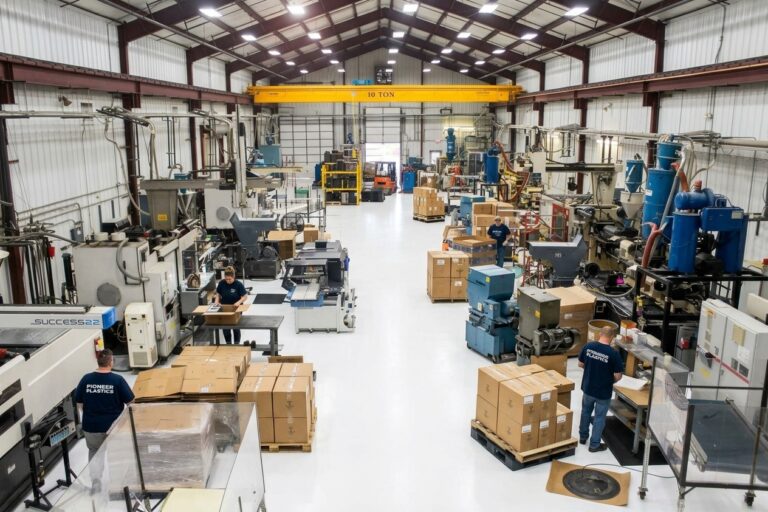
Choosing a new injection molding partner is one of the highest-stakes sourcing decisions a product team makes, because the wrong molder shows up later as