

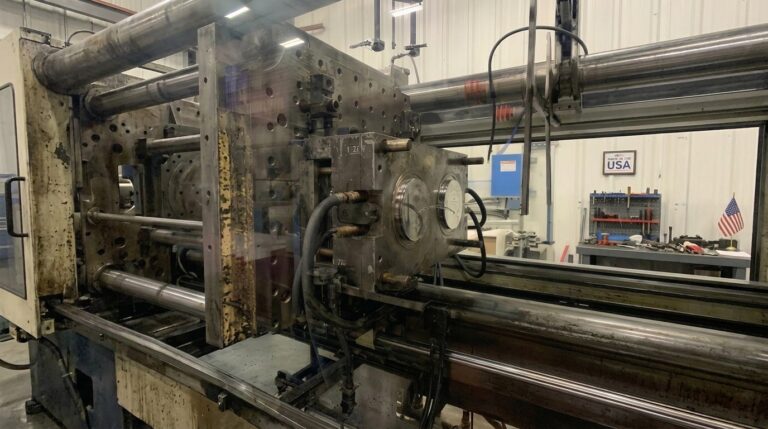
Reshoring Injection Molding: A Phase-by-Phase Playbook for Moving Production Back to the US
You have already decided to reshore. The harder question is how to actually move an injection molding program from an overseas supplier to a US
DISCOVER OUR NEWLY RELEASED COLLECTIBLE DISPLAY CASES! SHOP NOW
Shop by brand & type
UV-filtering display cases that guard collectibles, documents, and retail goods against sun damage and discoloration.
Browse UV-protected cases →Display cases packaged for retail shelves — clamshell, boxed, and custom-printed options ready to scan and sell.
Browse retail-ready cases →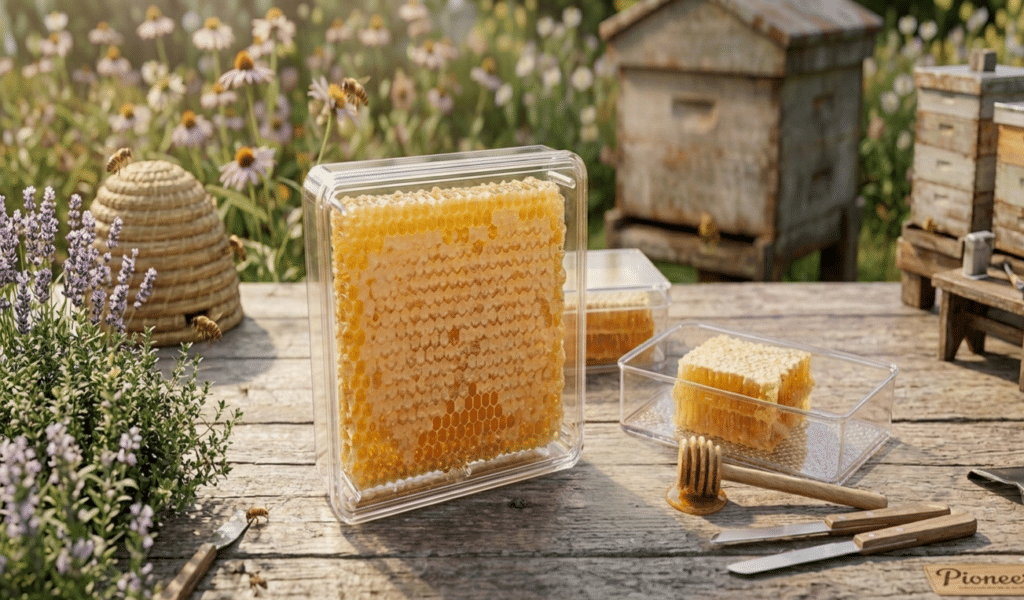
Cut comb honey is one of the highest-margin products in a beekeeper’s lineup, but the packaging step is where most operations stumble. Choosing the right cut comb honey containers, draining the comb properly, freezing for pest control, and labeling for retail compliance all happen after the harvest, and each step affects what you can charge and where you can sell. This guide walks through the full workflow.
Cut comb is honey still in its natural beeswax cells, harvested as a section of comb rather than extracted as liquid. It commands a higher price than extracted honey because production is harder, supply is smaller, and consumers perceive it as a specialty food rather than a pantry staple. The Agricultural Marketing Resource Center, operated by Iowa State University with USDA Rural Development funding, frames the market this way:
“The market for honey is currently very strong. Locally produced honey and specialty honey have increasingly strong markets. Premium prices can often be received for honey produced from the nectar of some trees such as tulip, sourwood, and basswood.”
Cut comb is the clearest example of “specialty honey” in that quote. The market math at the national level helps put your local pricing in context:
Cut comb requires foundationless frames or frames with thin, unwired foundation that bees build into clean comb. Wired frames and plastic foundation can’t be cut cleanly, so plan boxes for cut comb production at the start of the season.
Frame depth determines how many sections you cut from each frame:
Most beekeepers selling at retail run shallow or medium supers dedicated to comb production, which keeps the comb fresh and the right shape for standard container sizes.
Use a sharp knife designed for cut comb, or a thin chef’s knife warmed in hot water and dried before each cut. A scraping knife with a square-shouldered blade gives the cleanest edges. Size your sections to fit your containers before draining. Cutting after draining gets messy and risks damaging the comb.
Place sections on a stainless steel screen set over a tray to drain off the honey released from cut cells. Drain time depends on temperature:
The honey collected in the drain tray is the same honey from the comb. Save it, jar it, and sell it as part of your liquid honey lineup.
Freezing is non-negotiable. Wax moth and small hive beetle eggs are present in most honeybee colonies at low levels, and any comb that leaves the apiary without being frozen risks hatching pests on your customer’s shelf. That’s a recall problem, a reputation problem, and a regulatory problem you don’t want.
Once the comb has fully warmed and any condensation on the bag has dissipated, transfer the sections into your retail containers. Do not skip the warming step. Cold comb placed in a clear container will fog the plastic from the inside the moment it hits room temperature, and customers won’t buy a foggy package.
Container sizing should match how you cut your comb, not the other way around. Pioneer Plastics manufactures three primary cut comb honey containers in clear, food-grade polystyrene, sized for standard frame yields and sold by the carton with free freight in the lower 48 states.
All sizes and specifications below are listed on the Pioneer Plastics honeycomb containers product page and ship same day from the Dixon, Kentucky facility.
All six SKUs are domestically manufactured through custom injection molding at the Pioneer Plastics facility in Kentucky. Containers are sold by the carton (100 to 160 units depending on size), not by the individual unit. Individual collectors and small-volume hobbyists can purchase single units through the Pioneer Plastics Amazon store.
A working estimate for a beekeeper running shallow comb supers:
Cut comb honey is regulated like any other food product, and labels have to satisfy federal rules from the FDA, plus whatever the state adds on top.
The FDA’s guidance on honey labeling sets the federal floor. Every retail label must include:
Nutrition facts panels are required only if you make a nutrient claim or your operation exceeds the small-business exemption thresholds. Most direct-to-consumer beekeepers fall under the exemption, but check with your state before assuming.
Beyond the federal rules, every state regulates honey sales differently. Some states classify honey as a cottage food product (which simplifies licensing for small producers), some require a permit for any retail sale, and some carve out exemptions specifically for beekeepers selling honey from their own hives.
Florida is a useful example because the rules are well-documented. The University of Florida IFAS Extension publishes a guide to bottling, labeling, and selling honey in Florida covering the small-honey-house exemption, label requirements, and the line between hobby and commercial production. Most states publish a similar document through cooperative extension or their department of agriculture.
For a state-by-state starting point, the Association of Food and Drug Officials maintains a regulatory guidance index for honey laws with links to each state’s rules. None of this is legal advice. Your state department of agriculture is the authoritative source for what applies to you.
Cut comb pricing has more variance than extracted honey because the product is harder to comparison shop. Decisions need to account for local market, container size, and channel.
Reported beekeeper prices for cut comb at direct-to-consumer retail commonly fall between $1.00 and $2.00 per ounce, with full-size 14- to 16-ounce containers selling for $13 to $25 at farmers markets and specialty grocers. Treat that as a directional range. Major metro areas, tourist regions, and high-cost-of-living markets often run higher; rural farmers markets sometimes run lower.
The same container of cut comb sells for different amounts depending on where it shows up:
Before setting your price, walk three or four farmers markets within driving distance. Note who’s selling cut comb, what they’re charging, what their containers look like, and how full the booths are at the end of the day. If you’re the only cut comb seller at a market, you have pricing power; if there are three, the market has already set a ceiling.
Most beekeepers selling cut comb at retail use a mix of channels. Picking two or three that fit your production volume and time keeps the workload manageable.
Pioneer Plastics also serves as a manufacturing partner for food packaging and other industries beyond bees, which is why the cut comb container line is part of a larger food-grade product catalog rather than a one-off offering.
Drain cut comb on a stainless steel screen for 4 to 8 hours in a warm room, or 12 to 24 hours in a cooler space. The bottom edge should no longer feel tacky before you transfer the section to a container. If you package while the comb is still releasing honey, the container will pool honey on the bottom and look messy on the shelf.
Freezing kills wax moth and small hive beetle eggs that are present in most colonies at low levels. Without freezing, those eggs can hatch on a customer’s shelf and create a recall situation. The standard practice is at least 48 hours in the freezer, followed by a gradual warm-up inside the sealed bag to prevent condensation on the comb surface.
It depends on your state and your sales volume. Many states classify honey as a cottage food product, which simplifies licensing for small direct-to-consumer producers, but federal FDA labeling rules still apply. Check the AFDO state-by-state honey regulatory index and your state department of agriculture before starting retail sales.
Match the container to your frame yield. Full-size containers (around 4-1/4” square) hold a standard cut comb section from a shallow or medium frame, and half-size containers hold split sections for lower price points and gift packs. Pioneer Plastics manufactures both formats in food-grade polystyrene, sold by the carton.
Extracted honey at the U.S. national average sold for $2.69 per pound in 2024, which is roughly 17 cents per ounce. Cut comb at retail commonly sells for $1.00 to $2.00 per ounce, which is six to twelve times the national average extracted price. The premium reflects both the labor involved in producing comb and consumer perception of cut comb as a specialty food.
Properly drained, frozen, and sealed cut comb honey holds quality for at least a year at room temperature. Honey itself doesn’t spoil under normal storage conditions, but the comb can crystallize over time and the appearance can degrade with direct sunlight or temperature swings. Store at room temperature out of direct light.
Cut comb honey is a margin-driving product when the packaging is right and the workflow is dialed in. Pioneer Plastics manufactures cut comb containers in three primary sizes designed to fit standard frame yields, all made in the USA and shipped same day with free freight in the lower 48. Bee-supply retailers and specialty distributors carrying these containers for resale can apply through the Pioneer Plastics wholesale distributor program for carton pricing and account terms.
The information provided in this content is for general informational purposes only and should not be considered professional advice. It is advisable to consult with a qualified industry professional before taking any action based on this information. The team at Pioneer Plastics is here to assist you with any questions you may have.
You have already decided to reshore. The harder question is how to actually move an injection molding program from an overseas supplier to a US
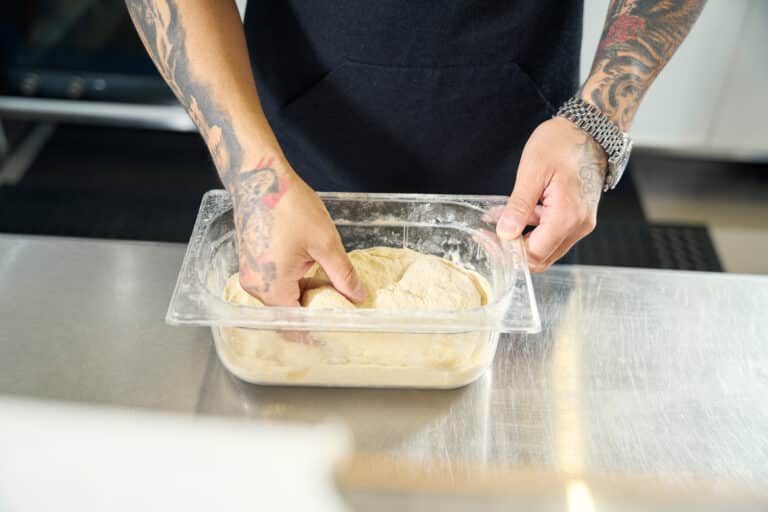
In the bustling world of the food and beverage industry, the devil is often in the details. Custom plastic parts and smallwares play a pivotal

Doll collecting is more than just a hobby—it’s a journey that bridges generations, preserves cultural history, and celebrates artistic craftsmanship. Every doll tells a story,