DISCOVER OUR NEWLY RELEASED COLLECTIBLE DISPLAY CASES!  SHOP NOW

3D Printing & Rapid Prototyping Services in the USA | Pioneer Plastics
3D Printing & Prototyping

3D Printing: Prototype Faster, Iterate Smarter

Bring product ideas to life quickly and economically. Prototype a design before investing in costly molds, or produce specialized low-volume parts — with rapid turnaround and in-house control.
U.S.-based production
Turnkey: concept to consumer
ISO 9001:2015 certified
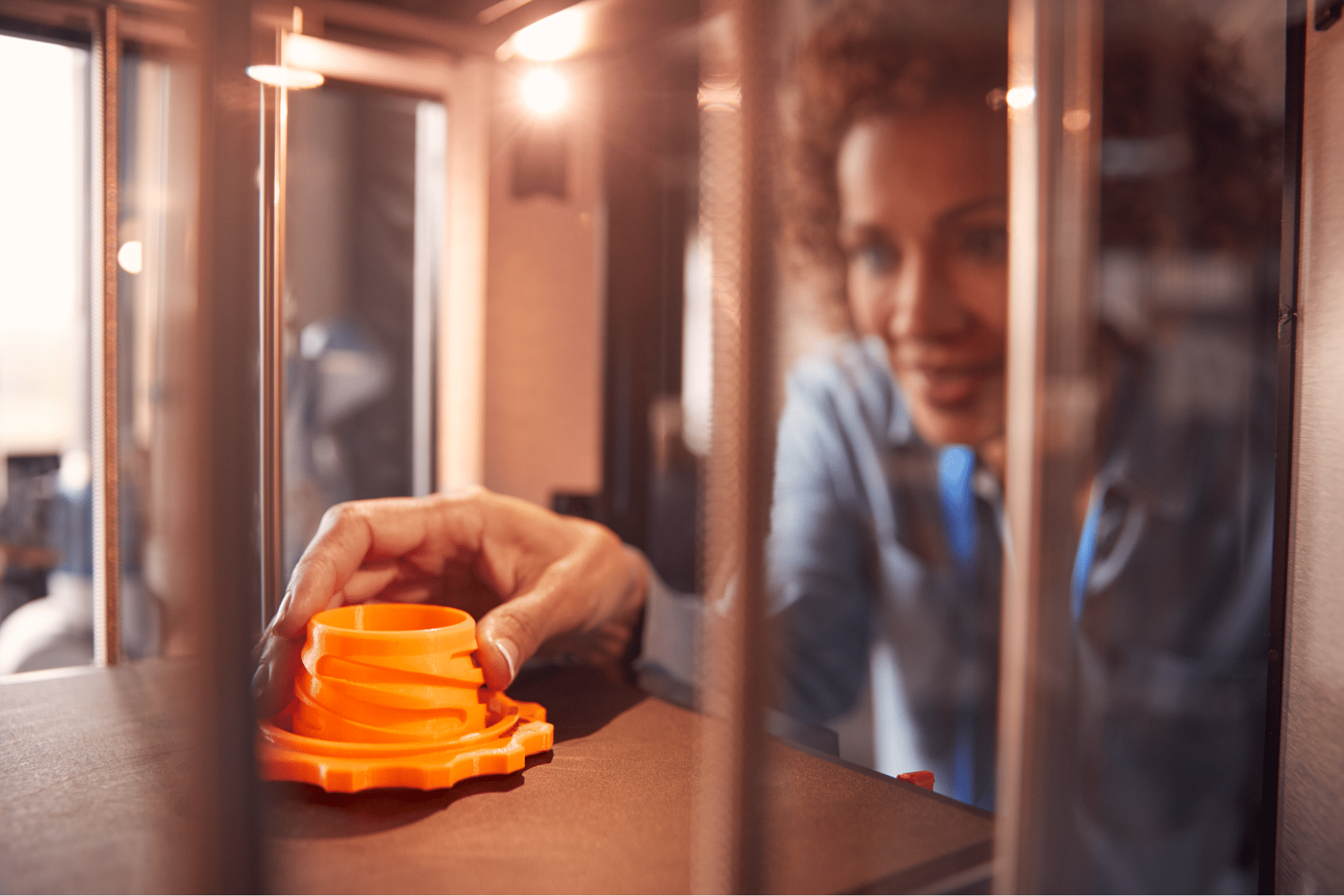
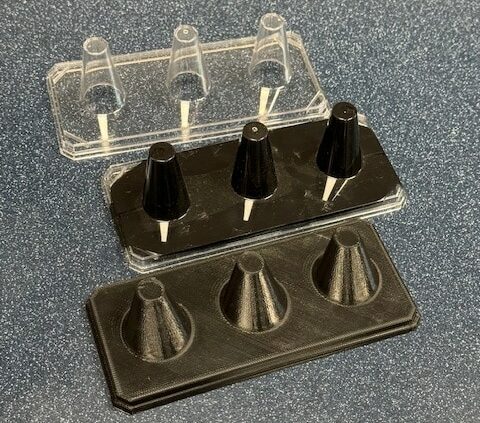
Plastic cone parts produced at Pioneer Plastics
40+
Years in business
5
Printers in our Design Center
FDM + SLA
Two printing technologies
ISO 9001
2015 certified quality system
Hours
Possible turnaround
Overview

Rapid prototyping that de-risks your tooling investment

Inside our dedicated Design Center, five 3D printers — four FDM and one SLA (stereolithography) — sit alongside CAD workstations, so design and printing happen in the same room. We prototype and test parts for numerous customers, and even run low-volume production: one customer completed several production runs on our printers before any steel was cut; another is on their second printed production run and may never need a mold at all.

Our 3D Printing Process

Submit, print, evaluate — then iterate until it is right.

1

Submit Your Design

Send your 3D models (typically STL or OBJ). Our team can adjust and optimize the design to ensure printability and functionality.

2

We Print It

Our in-house printers produce the prototype or low-volume parts fast, while carefully monitoring quality and accuracy.

3

Evaluate & Iterate

You receive the parts for evaluation; we gather feedback and make modifications so the final design meets expectations.

Why Pioneer

When 3D printing is the smart choice

For larger runs, high-durability components, or parts needing a specific aesthetic, injection molding is often superior. By offering both, we ensure you always get the best solution for your unique needs.

All of it runs on an ISO 9001:2015 certified quality management system — documented processes, traceable materials, and controlled inspection on every run, not just the ones being watched.

ISO 9001:2015CAGE CertifiedFood-Grade CapableFamily-Owned
Start Your Project

Cost-effective prototyping

Test and iterate designs without the high cost of creating a traditional mold.

Low-volume production

Real production runs, not just prototypes — some customers stay on printing because their volumes never justify a mold.

Rapid iteration

Quickly produce and refine multiple versions, adjusting based on testing and feedback.

Complex geometries

Create intricate internal structures and organic shapes that molds cannot easily achieve.

Compare

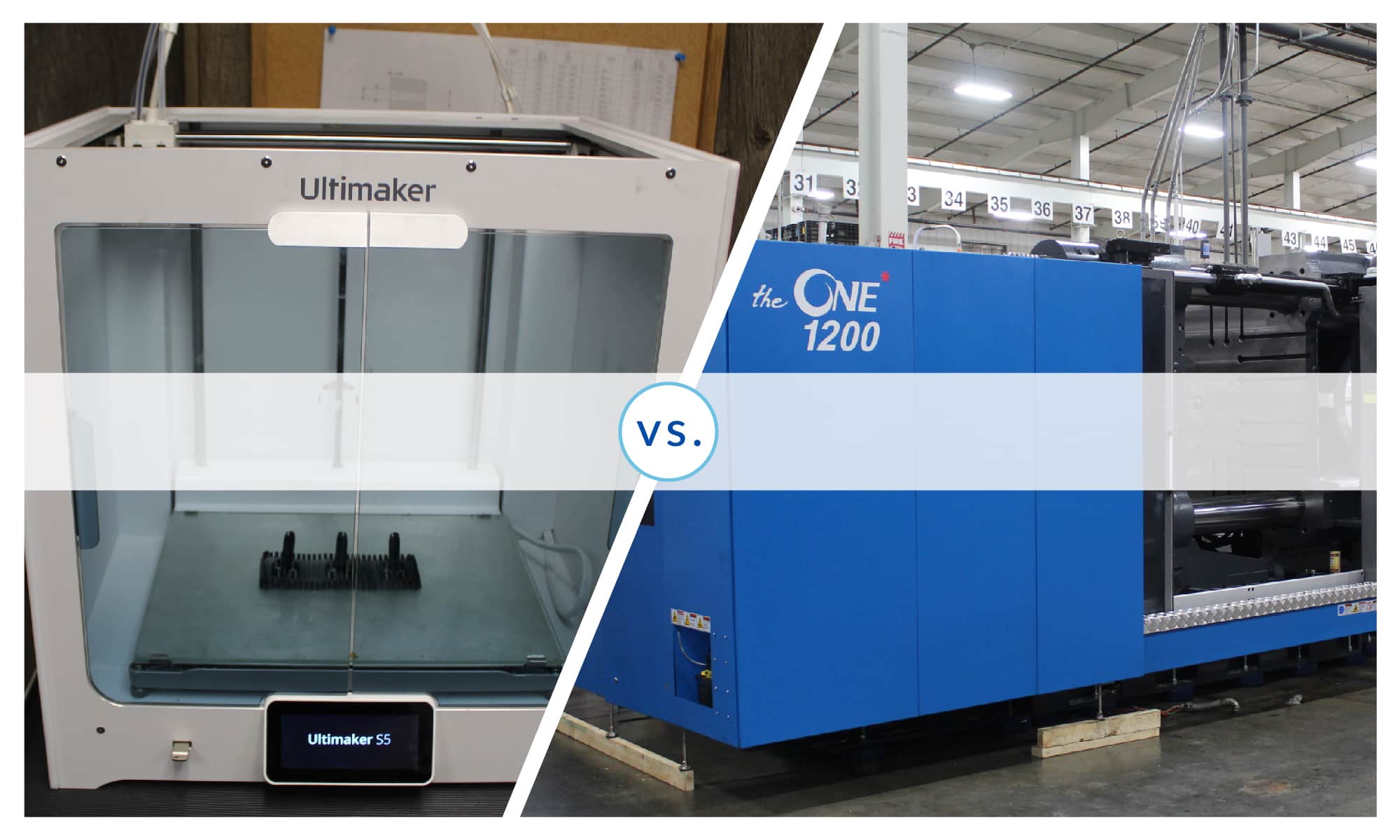
3D Printing vs. Injection Molding

Consideration
3D Printing
Injection Molding
Setup cost
Minimal setup
$10,000–$250,000 for a mold
Best for
Prototypes & small runs
High-volume production
Design changes
Fast, no new tooling
Requires new/modified tooling
Strength & finish
Functional, less polished
Maximum strength & finish
Geometry
Highly complex shapes possible
Complex, but mold-limited

We offer both, so we recommend whatever is truly best for your part — not just what we can print.

Supported Materials

Rigid, durable, or flexible — we stock options to match your application.

PLAABSPETGNylonTPU (flexible)TPE (flexible)
Maximum Build Size
420 × 420 × 480 mm
16.5″ × 16.5″ × 18.9″

Designs larger than our build envelope can be sectioned and assembled, or produced via injection molding. We’ll advise the best path for your part.

?

Larger than our build envelope?

Our printers build up to 420 × 420 × 480 mm (16.5″ × 16.5″ × 18.9″). Bigger designs can be sectioned and assembled, or produced via injection molding — we will recommend the most efficient route for your part.

Ask Us — Free Project ReviewNo commitment. We’ll recommend the most cost-effective process, even if it isn’t molding.
★★★★★

“We needed a custom, highly unique new device — but more importantly, a supplier partner that could be counted on to deliver an incredibly high impact project on an aggressive timeline. The supplier-partner submitted what was asked, but also took it a step further by providing a 2nd solution that cast their own unique design spin. This design set them apart from the group and, with their value-add on cost and timing, made it an easy decision on who to partner with. They say it’s easy to make things different but really hard to make them better. I can say today that this year’s supplier of the year winner helped make us better for many years to come.”

— Global pizza chain customer, on naming Pioneer Plastics Supplier of the Year
Trusted by national brands & manufacturers
Pizza Hut — Pioneer Plastics injection molding client
Panera Bread — Pioneer Plastics injection molding client
Whirlpool — Pioneer Plastics injection molding client
Hobby Lobby — Pioneer Plastics injection molding client
Electrolux — Pioneer Plastics injection molding client
GE — Pioneer Plastics injection molding client
Inside Our Design Center

Where your prototypes come to life

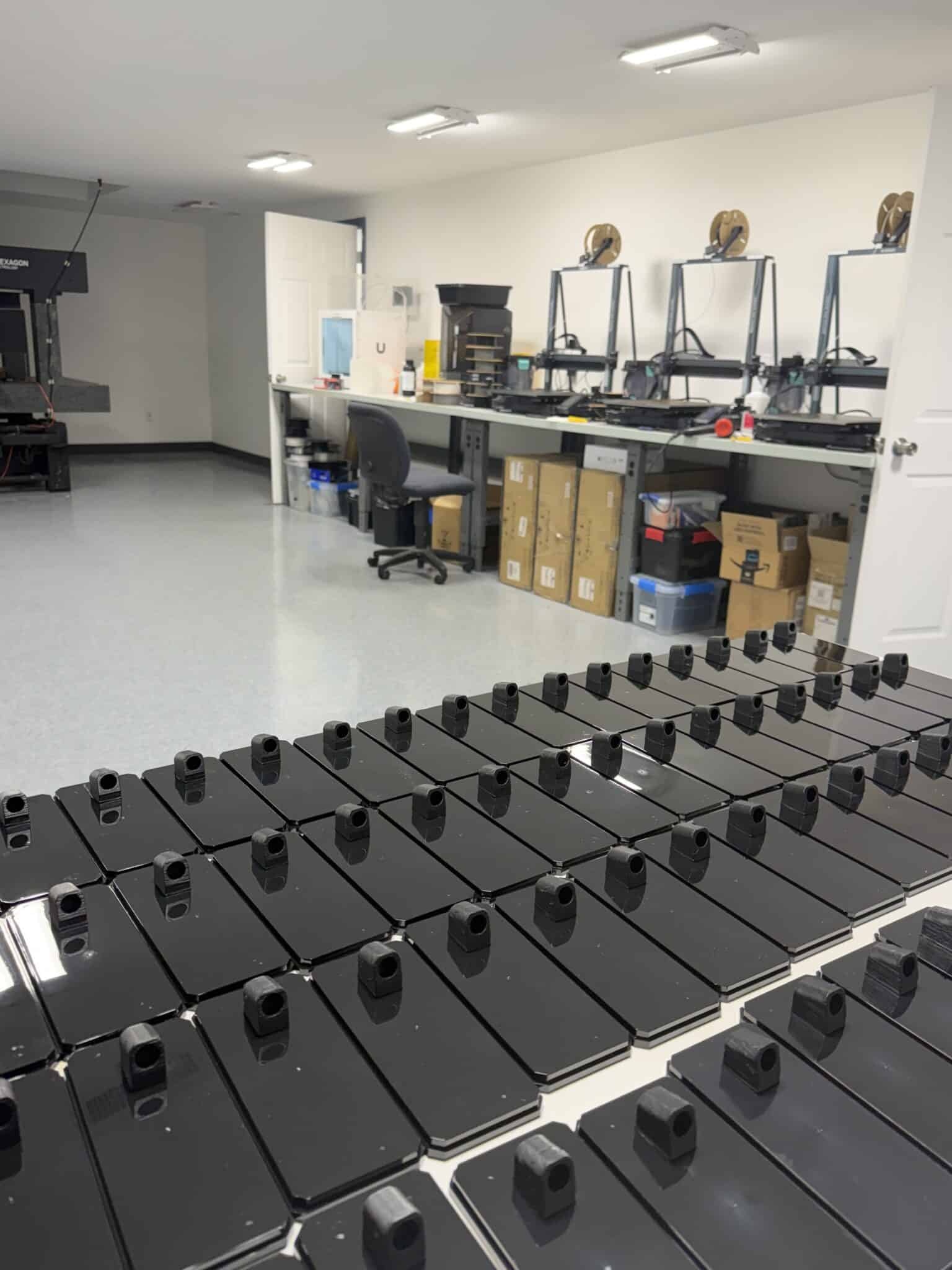
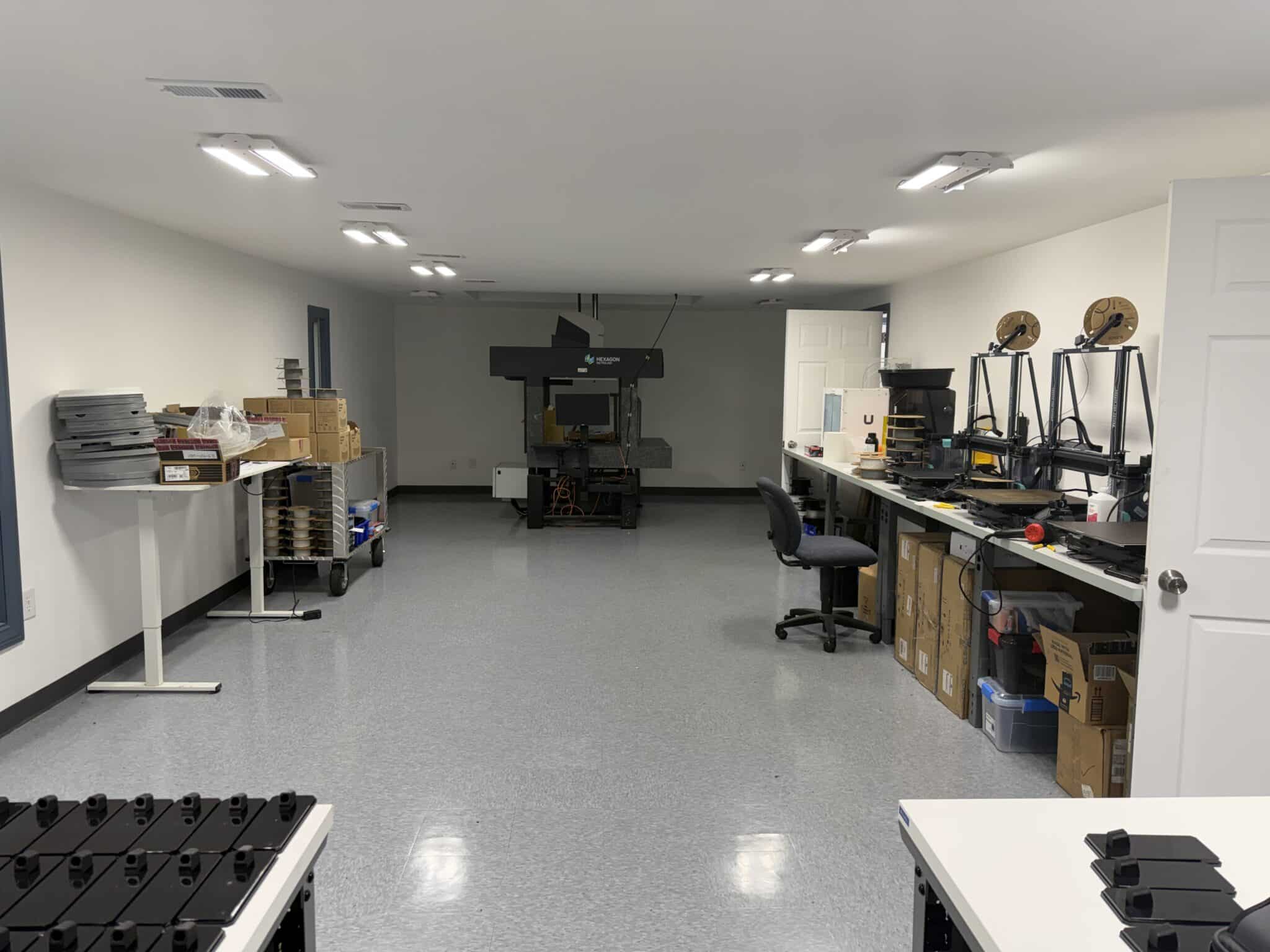
A dedicated in-house Design Center — a bank of FDM and SLA printers, a Hexagon coordinate measuring machine for inspection, and shelves of real printed parts. Rapid iteration and quality checks happen steps from our molding floor.
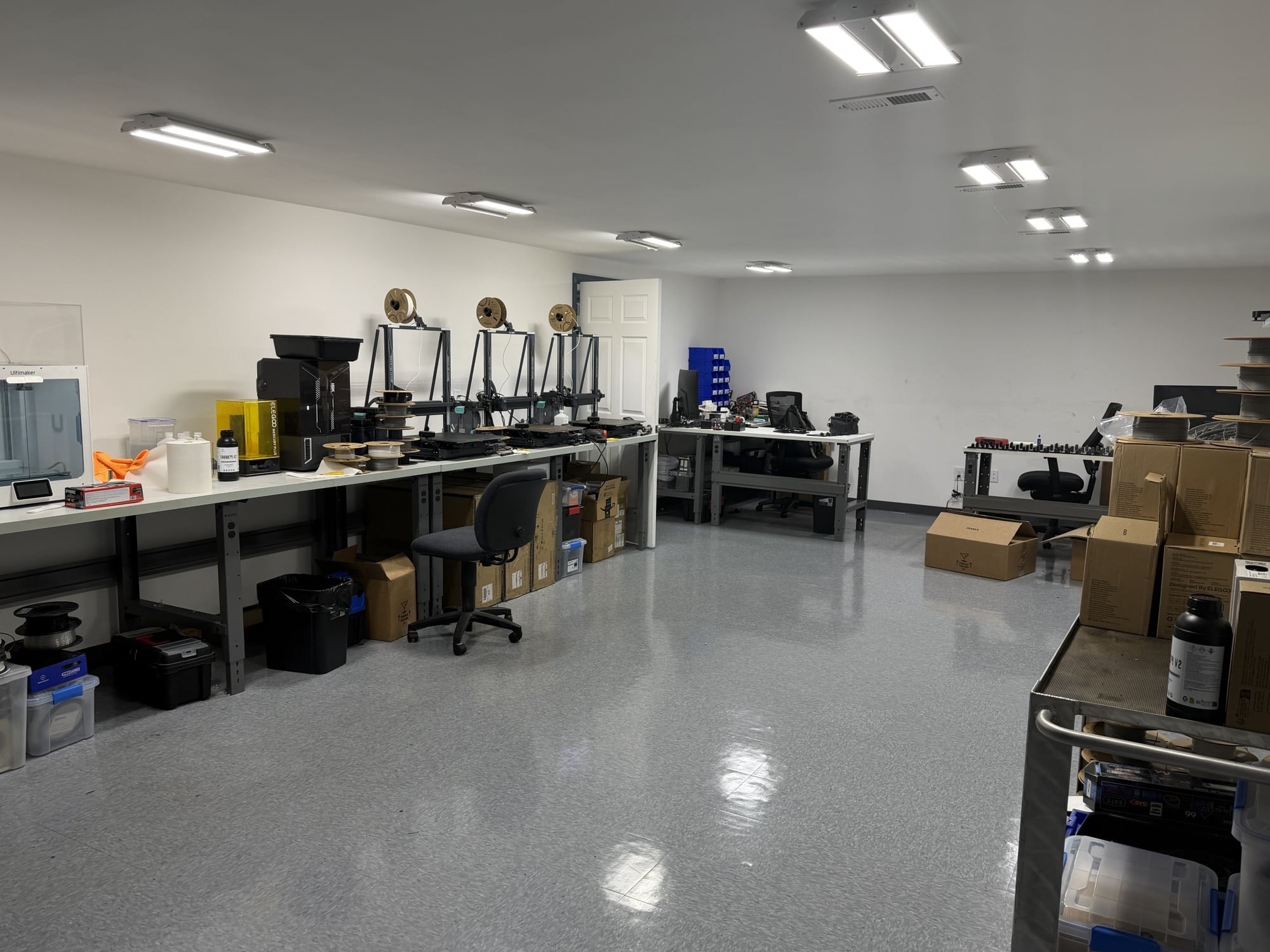
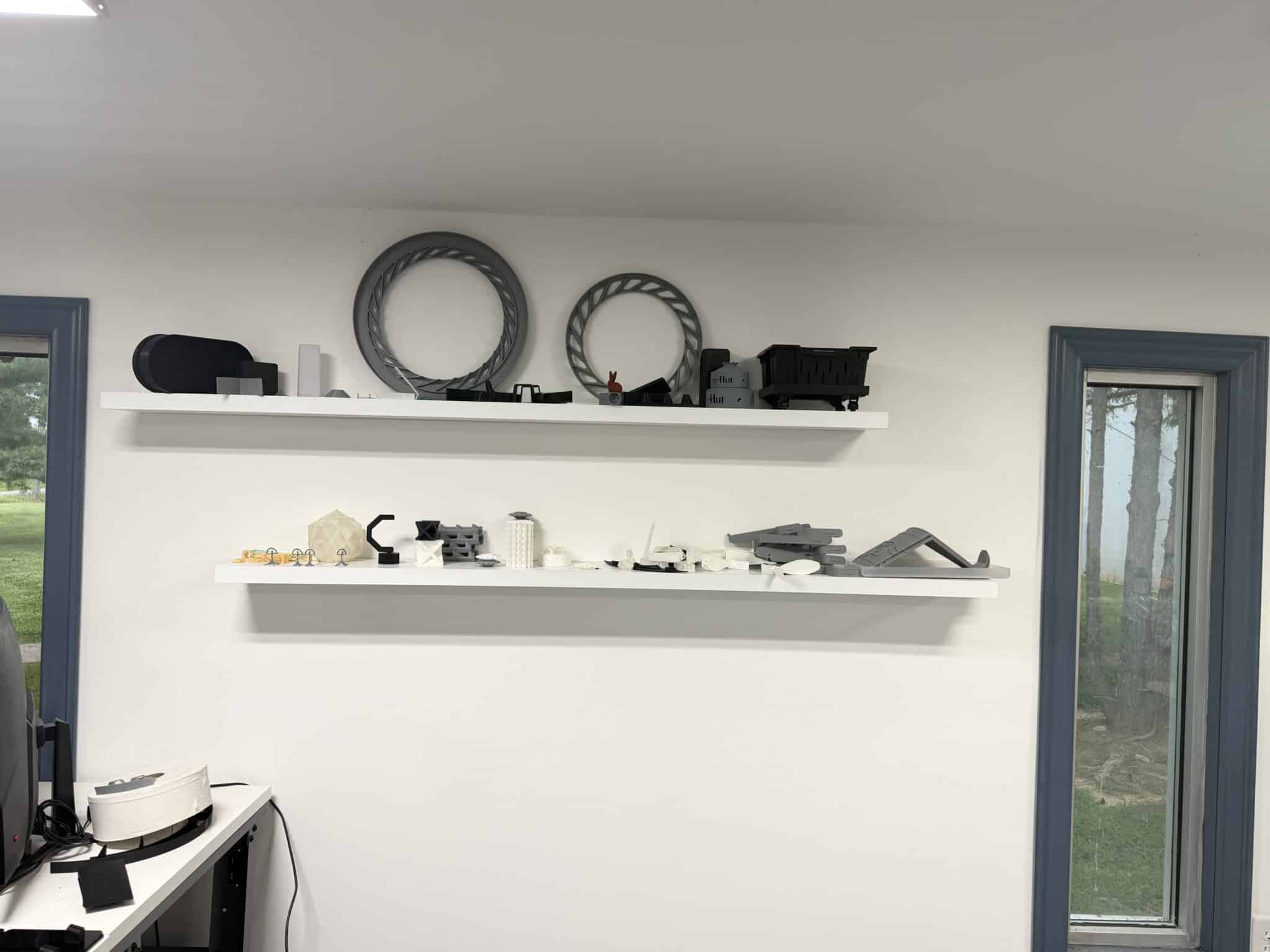
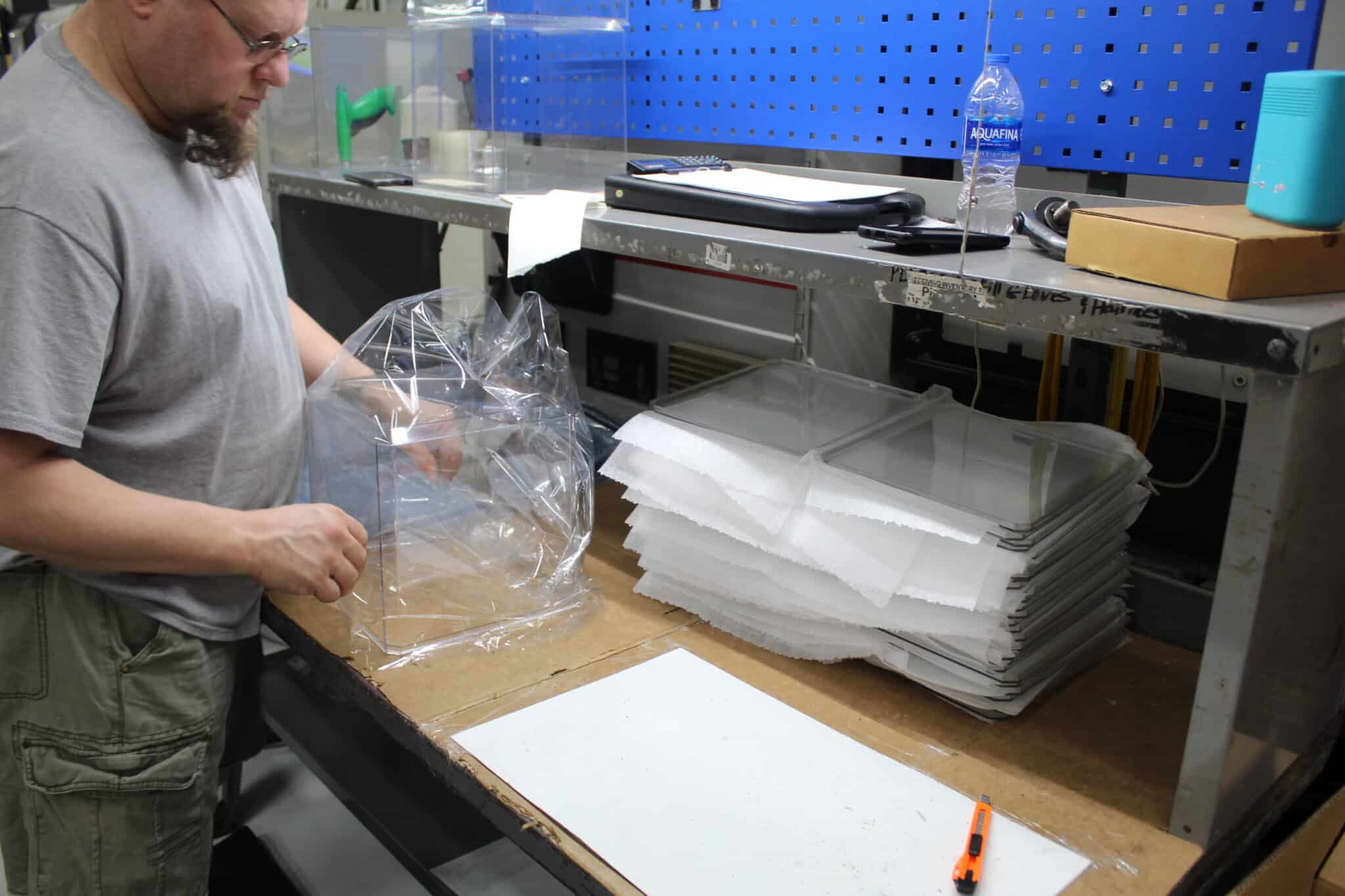
Pioneer Plastics Design Center — FDM 3D printer bank and Hexagon CMM inspection machineShelves of 3D printed sample parts and prototypes at Pioneer PlasticsBank of FDM 3D printers with filament spools at Pioneer Plastics Design CenterPioneer Plastics industrial lab workspace with inspection and prototyping stations
Your Questions, Answered

3D Printing FAQs

Our Design Center houses five printers: four FDM (fused deposition modeling) machines for durable, economical parts, and one SLA (stereolithography) printer for high-detail, smooth-surface prints. We match the technology to your part’s requirements.
Yes. We run low-volume production for several customers. One completed multiple printed production runs before committing to a mold — proving the product before steel was cut. Another is on their second printed production run and may never need a mold because quantities are low.
A wide range including PLA, ABS, and PETG, plus specialized options like nylon and flexible filaments such as TPU and TPE — so you can get a rigid, durable part or something with flex.
Our printers have a build envelope of 420 mm × 420 mm × 480 mm (16.5″ × 16.5″ × 18.9″). Larger designs can be sectioned and assembled or moved to injection molding.
It varies with material, print quality, and detail. Simple designs may take a few hours; more intricate or high-quality prints take longer. We provide an estimated timeframe for your specific project.
Yes. We are happy to modify your design to improve print quality, reduce wasted material, and enhance durability — making your project as efficient as possible.
Often, yes — especially for small runs or prototypes. A mold can cost $10,000 to $250,000, while 3D printing has minimal setup cost and allows fast, tooling-free design changes.
Upload files through our website, or contact our team directly for a more personalized approach. We will guide you through the submission process.
PLA is stiff, dimensionally accurate, and ideal for early form-and-fit models. ABS handles higher temperatures and impact, making it better for functional testing. PETG splits the difference with good toughness and chemical resistance. Nylon is the choice for durable, wear-resistant mechanical parts. TPU and TPE are flexible elastomers used for gaskets, grips, and living hinges. Matching material to the question you are trying to answer matters more than always printing in the strongest option.
Steep overhangs beyond roughly forty-five degrees need support material, which adds time and leaves surface marks where it is removed. Print orientation determines strength, because layer adhesion is weaker than the layers themselves — a part loaded across its layer lines will fail early. Very thin walls and fine text may not resolve at typical layer heights. We review incoming files for these issues and adjust orientation or geometry to improve quality and reduce waste.
3D printing wins on speed and flexibility at low quantities and loses on unit cost as volume climbs, because every printed part takes the same amount of machine time. Injection molding is the inverse: high fixed tooling cost, then a very low and nearly flat unit cost. Somewhere between a few hundred and a few thousand parts those curves cross. The crossover point depends on part size and complexity, and we will run the comparison for your specific part rather than guessing.
The most valuable role for a printed part is as a decision-making tool. Use it to confirm assembly clearances with real mating hardware, to get sign-off from stakeholders who need to hold the product, to test ergonomics with actual users, and to catch the design problems that are invisible on screen. Every issue found here is one you are not paying to correct in steel.

Answers reviewed by the Pioneer Plastics engineering team — 175+ combined years of molding, tooling, and part-design experience. Last updated August 2026.

Explore Our Full Capabilities

Get a Behind-the-Scenes Look at Pioneer Plastics

Curious about our advanced capabilities and commitment to quality? Schedule a virtual or in-person tour of our manufacturing facility to see our process and people in action — and experience firsthand how we turn ideas into market-ready parts.

Schedule Your Facility Tour
Let's Build It

Send us your design — we'll print it fast.

Prototype before you commit to a mold, or run low-volume parts straight off our printers. Share your STL or OBJ and our team will follow up with a no-obligation quote. Prefer to talk it through? Call us — a real person answers.

Call us directly
1-800-951-1551
Accepted file types
STL, OBJ & most CAD formats
Turnaround
Prints in hours, not weeks