

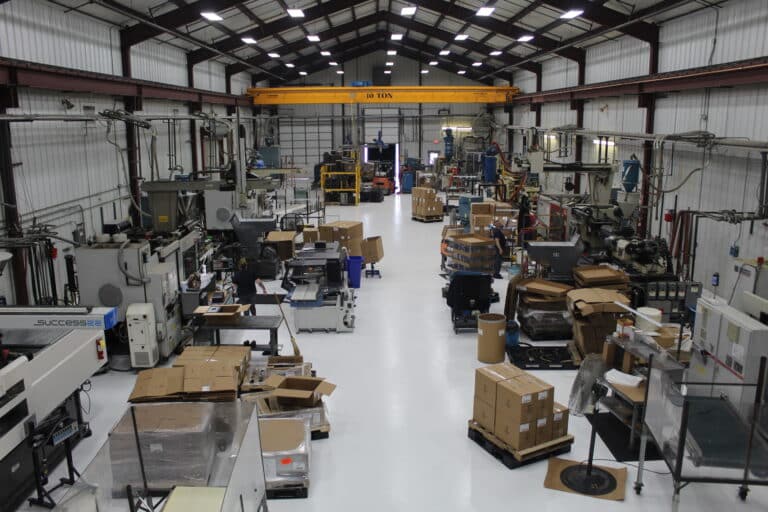
The Injection Molding Process Explained: Materials, Tooling, and When It Is the Right Choice
Choosing a manufacturing method is one of the more expensive decisions a product team makes, and it usually gets made before anyone knows enough to
DISCOVER OUR NEWLY RELEASED COLLECTIBLE DISPLAY CASES! SHOP NOW
Shop by brand & type
UV-filtering display cases that guard collectibles, documents, and retail goods against sun damage and discoloration.
Browse UV-protected cases →Display cases packaged for retail shelves — clamshell, boxed, and custom-printed options ready to scan and sell.
Browse retail-ready cases →
Every doll is made of something, and that material decides how it ages. Porcelain chips, vinyl can turn sticky, celluloid is flammable, and cloth attracts pests, so learning how to store dolls starts with knowing what each one is made of. This guide covers doll collection storage and display material by material, using museum conservation guidance.
The right way to store a doll depends on what it’s made of. Porcelain and bisque are stable but fragile. Composition reacts to temperature swings. Celluloid, early hard plastic, and vinyl break down chemically and need cool, stable, ventilated storage. Cloth, wax, wood, and leather each carry their own risks.
Use the table below to match each doll in your collection to its storage and display needs:
| Doll material | Watch for | Storage | Display caution | Source |
|---|---|---|---|---|
| Porcelain / bisque (china is glazed, bisque unglazed) | Breakage; wear of painted details | Acid-free tissue, archival box, one layer per box; glass-eyed bisque dolls face-down | Support the whole doll; top-heavy dolls can topple | MANL, Family Tree Magazine |
| Composition (pulped wood or paper molded under pressure) | Extreme temperature changes; often contains a celluloid component | Low, stable temperature and humidity | Keep away from heat sources and temperature swings | MANL |
| Celluloid (cellulose nitrate) | Flammable; light and high humidity or heat speed decay; camphor odor, cracking, crazing | Stable below 68°F, RH 30% to 40%, well ventilated, away from heat or flame; unbuffered tissue | Do not seal in unventilated cases or bags | NPS, CCI, MANL |
| Early hard plastic (cellulose acetate) | Vinegar odor, crazing, warping, white powdery bloom | Stable below 68°F, RH 30% to 40%, well ventilated; unbuffered tissue | Keep light low | NPS |
| Vinyl (flexible PVC, post-WWII) | Plasticizer migration: sticky, tacky, weeping surfaces; can turn green under fluorescent light | Stable below 68°F, RH 30% to 40%; unbuffered tissue; corroded metal fasteners in clothing can stain | Avoid sunlight and fluorescent light; avoid tightly sealed cases (condensation) | NPS, MANL, Polymers (2024), Family Tree Magazine |
| Cloth / rag | Bright light; pests and mold; direct contact with mothballs | Low, stable humidity; inspect for pests; no mothballs | Keep out of bright light | MANL |
| Wax | Light and heat | Cool, dark storage | Keep away from lamps and windows | MANL |
| Wood / leather | Insects; high humidity and heat raise mold and pest risk; humidity swings cause cracking | Low, stable humidity | Avoid humidity swings | MANL |
Sources: NPS = National Park Service; CCI = Canadian Conservation Institute; MANL = Museum Association of Newfoundland and Labrador; Polymers (2024) = peer-reviewed study on plasticizer migration in vinyl.
A few notes on reading the table:
Dolls need cool, stable, dry, and dark conditions. Keep plastic dolls below 65% relative humidity to prevent mold, store vinyl, celluloid, and early hard plastic dolls below 68°F at a stable 30% to 40% RH, and skip the attic and basement. Limit light too, because light damage adds up over time and can’t be reversed.
Here is how each condition affects a doll collection:
For porcelain, composition, wax, cloth, and wood dolls, museum guidance calls for low, stable temperature and humidity and no big swings. A calibrated hygrometer or data logger shows whether you’re hitting those numbers; CCI notes that low-cost hardware-store hygrometers are unreliable.
To store dolls long term, clean them without liquids, decide what to do with clothing, wrap them in acid-free tissue (unbuffered for plastic dolls), and lay them one layer deep in an archival box. Then position fragile faces correctly, label everything, and inspect the collection every six months.
Work through these steps for each doll going into storage:
A display case and a storage bin do different jobs. A display case protects a doll on view from dust and handling. Long-term storage calls for an acid-free archival box in a dark, stable room. Sealed, airtight plastic bins raise the risk of mold, and celluloid dolls should never be sealed without ventilation.
Here’s how the three common options compare:
| Option | Best for | Watch out for |
|---|---|---|
| Display case | Dolls on view. Display behind a case protects from handling and airborne particles. | A tightly sealed case in direct light can heat up, and vinyl in tightly sealed cases risks condensation. |
| Acid-free archival box | Long-term, dark storage, one layer per box. | Still needs a cool, stable room. Avoid attics and basements. |
| Airtight plastic bin | Not recommended for long-term storage of heirloom dolls. | Airtight plastic containers put dolls at risk for mold and mildew. Celluloid should not be sealed within unventilated enclosures. |
A case also can’t solve everything on its own. Pioneer Plastics’ own UV protectant disclaimer states that no display case protects a collectible 100% from UV sunlight, and that proper lighting and keeping items out of direct sun are the best protection. Think of a case as one layer of defense for dolls you want to see, and the archival box as the plan for everything else.
To display a doll collection safely, keep dolls away from windows, heat sources, and fluorescent tubes, give each one full support, and rotate pieces off display so no single doll absorbs all the light. A UV protectant case adds protection against ultraviolet rays, but placement and rotation still matter.
Use these practices when setting up a display:
To choose a doll display case, measure the doll’s height, width, and depth and add a few inches to each, then decide whether you need the UV protectant option, a stackable format, or a mirrored or checkered base. Pioneer Plastics manufactures many of its display cases in the USA and publishes inner dimensions for each case it lists.
The general case-selection criteria that apply to any collectible are covered in choosing display boxes for collectibles. For dolls specifically, start with these points:
These selected cases appear in Pioneer Plastics’ doll display case category, with inner dimensions as published:
| Case (SKU) | Inner dimensions | Base options |
|---|---|---|
| Large Tall Square Clear Plastic Box (048C) | 3-3/4″ x 3-3/4″ x 8-1/4″ | Clear |
| 1:32 Scale Diecast Case Beveled Edges (084C) | 8″ x 3-3/4″ x 3-7/8″ | Clear; mirrored bottom (084CD) |
| 1:24 Scale Diecast Case (094C) | 9″ x 4-3/8″ x 4-1/8″ | Clear; mirrored (094CD) or checkered (094CDCHECK) bottom |
| 1:18 Scale Diecast Case (355C) | 13″ x 5-1/2″ x 5″ | Clear; mirrored (355CD) or checkered (355CDCHECK) bottom |
| 1:18 Oversized Scale Diecast Case (576C) | 15-1/2″ x 7″ x 6″ | Clear; mirrored bottom (576CD) |
| Round Clear Plastic Container (280C) | 4-1/16″ x 8-1/8″ | Round |
| Doll/Plush Collectible Stand (901DS) | 2-3/4″ x 2-5/8″ x 5-3/4″ | Stand |
The most common doll storage mistakes are storing dolls in attics or basements, displaying them in direct sun, crowding them together, and using the wrong wrapping, cleaners, or gloves on plastic dolls. Each one is easy to avoid once you know the material you’re dealing with.
Watch for these in your own collection:
Not in sealed, airtight bins for long-term storage of vintage dolls. The concern is the seal: airtight plastic containers put dolls at risk for mold and mildew, and celluloid should not be sealed within unventilated enclosures. For the long haul, use acid-free archival boxes in a cool, stable room.
Keep plastic dolls below 65% relative humidity to prevent mold, and keep every doll in low, stable humidity. Vinyl, celluloid, and early hard plastic dolls do best below 68°F at a stable 30% to 40% RH. Stability matters too, so avoid attics, basements, and rooms that swing between hot and cold.
Flexible vinyl turns sticky because plasticizers migrate to the surface, leaving it sticky, tacky, or weeping. The migrating plasticizer forms “a glossy and oily film on the outer layers” and leaves the vinyl less flexible, according to a 2024 conservation study. Keep sticky dolls cool and out of light, don’t wrap them directly in tissue, and never clean them with solvents or detergents.
A display case helps, but no case stops fading on its own. Light damage is cumulative and irreversible, and Pioneer Plastics states that no display case protects a collectible 100% from UV sunlight. A case with the UV protectant option adds defense against ultraviolet rays, while placement away from windows and rotation off display limit total exposure.
Store 18-inch play dolls like any doll of their material: wrapped in acid-free tissue (unbuffered for vinyl), laid one layer deep in an archival box, in a cool room with low, stable humidity. Keep outfits and accessories in separate labeled containers so small pieces don’t go missing. For display, note that none of the doll display cases Pioneer Plastics currently lists has an inner dimension longer than 15-1/2 inches, so plan on a closed cabinet for full-size 18-inch dolls.
Good doll care pairs dark, stable storage for the dolls that are resting with clean, well-placed cases for the ones on view. Browse Pioneer Plastics’ full shop of clear display cases by size, sold by the carton with freight included in the lower 48. Retailers can also apply to become a Pioneer Plastics distributor for its collectible display cases.
The information provided in this content is for general informational purposes only and should not be considered professional advice. It is advisable to consult with a qualified industry professional before taking any action based on this information. The team at Pioneer Plastics is here to assist you with any questions you may have.
Choosing a manufacturing method is one of the more expensive decisions a product team makes, and it usually gets made before anyone knows enough to
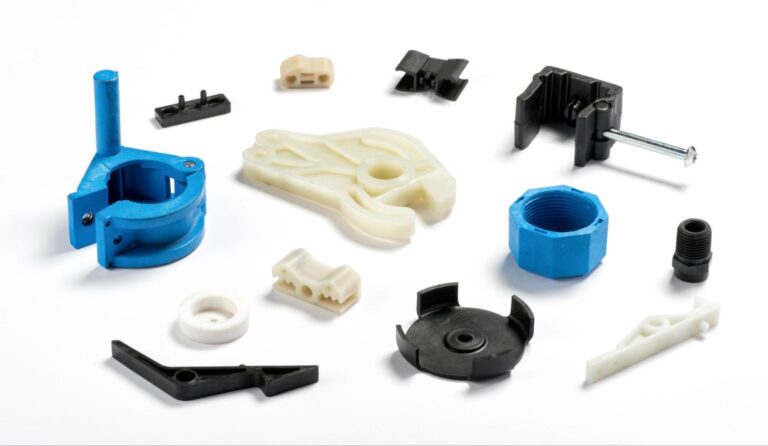
As the demand for higher-performing plastics mounts, advanced features that enhance product usability and aesthetics are becoming more common. However, integrating undercuts, thin walls, living
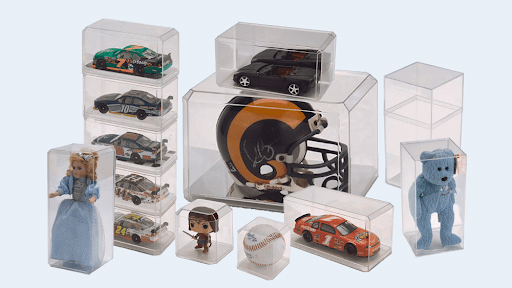
For businesses seeking to streamline operations while managing costs, the initial appeal of cheaper plastic display cases can be strong. While lower upfront expenses may